
Bite, Jaw and Sleep Appliances
Protect the teeth you already have.
Custom nightguards for clenching and grinding, and physician-prescribed appliances for snoring and sleep apnea, in Johnstown, NY.
Direct answer
What we make, and what we do not decide.
Dunlap Family Dentistry makes and fits two kinds of custom appliance. The first is a nightguard that protects your teeth from clenching and grinding. The second is an appliance for snoring or obstructive sleep apnea, which we make when your physician prescribes one. We do not diagnose sleep apnea. That diagnosis belongs with your doctor.
Clenching and grinding
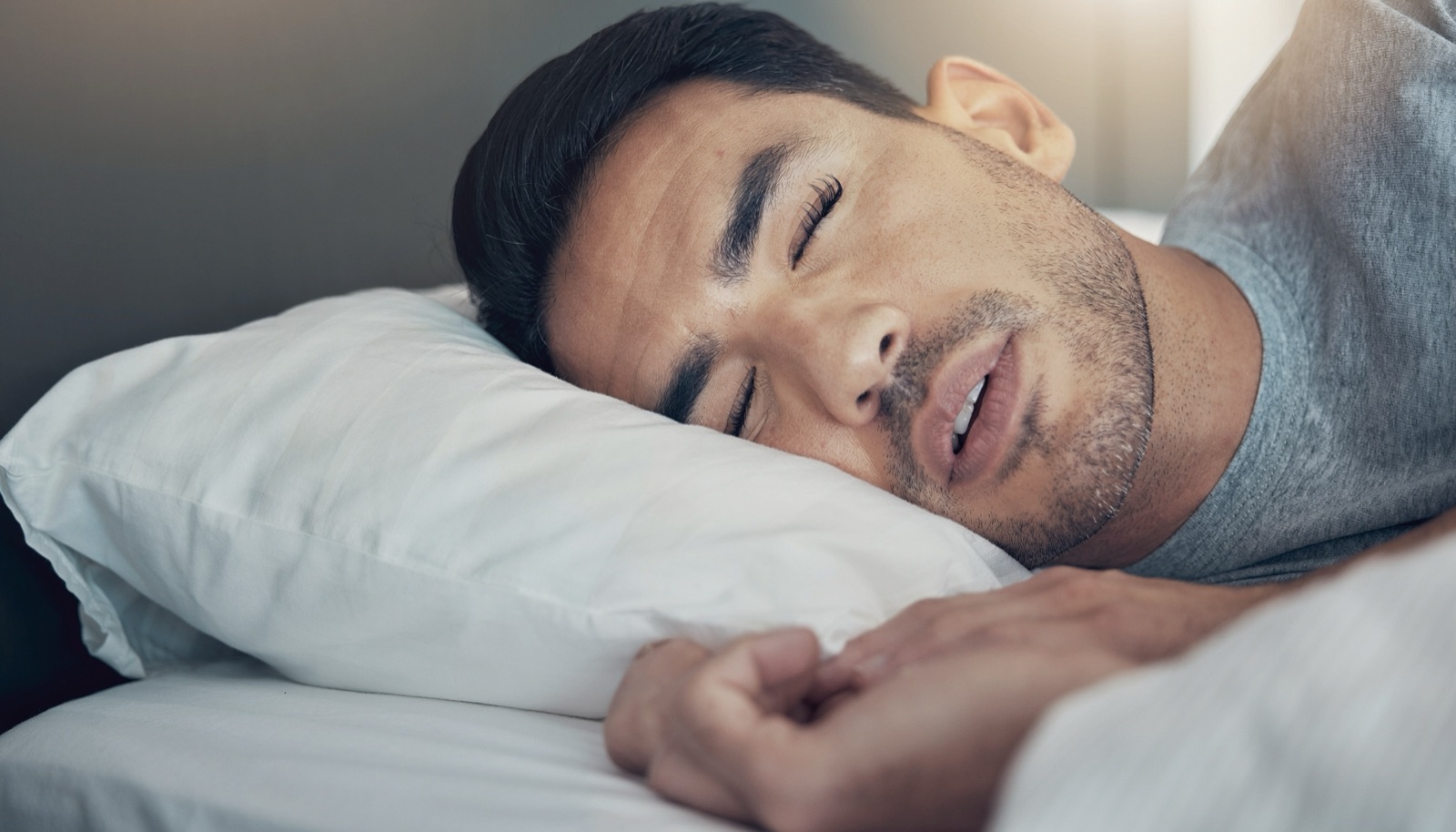
The damage happens while you are asleep.
Most people who grind their teeth do not know it. The habit happens at night, and the evidence shows up slowly. Things we look for at a routine exam:
- Front teeth that have worn flat or short
- Small chips along the biting edges
- Fillings and crowns that keep breaking or coming loose
- Teeth that are sensitive to cold without any decay to explain it
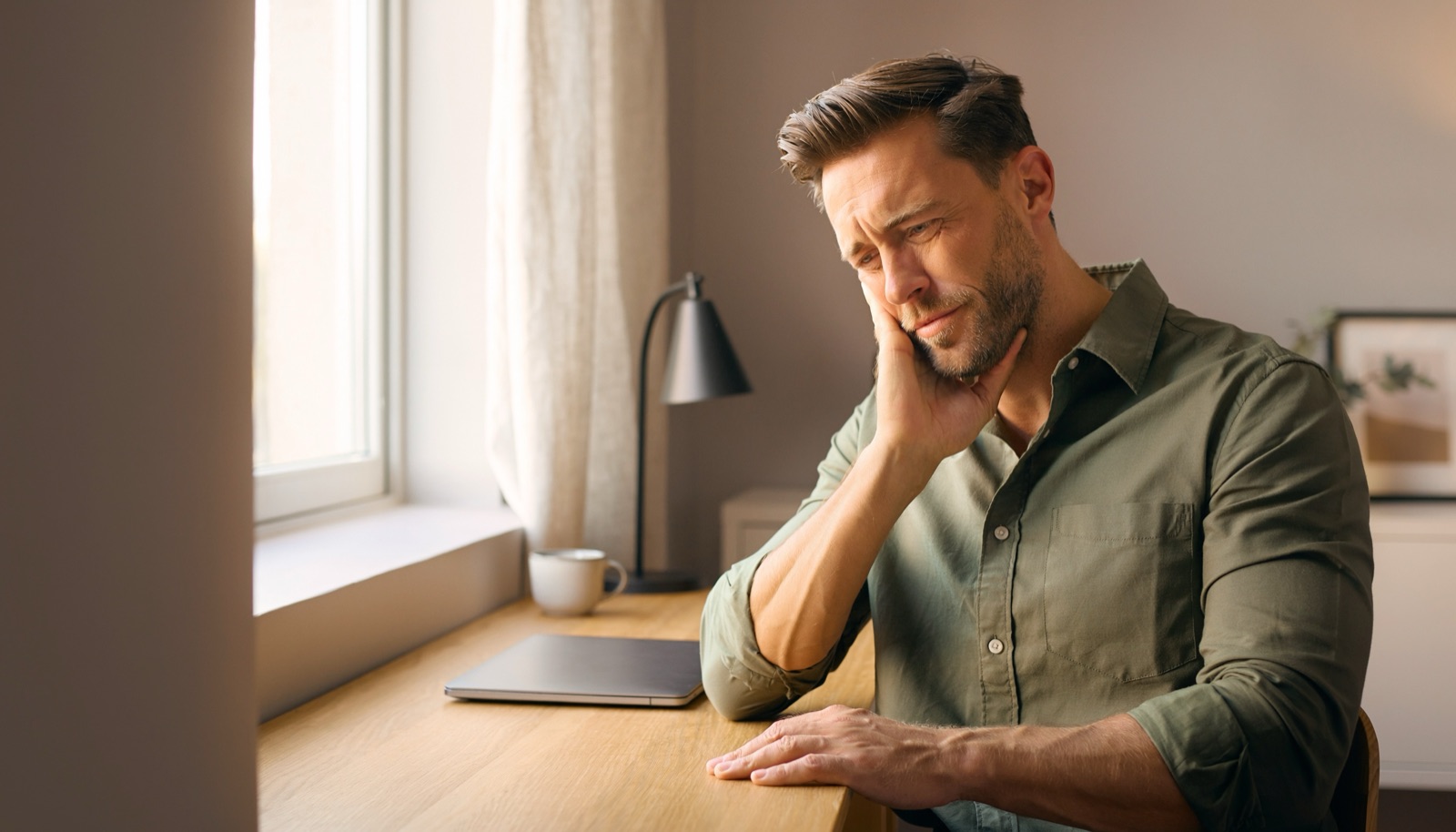
- A sore jaw, tight facial muscles, or headaches around the temples in the morning
- A partner who tells you they can hear it
If we see this pattern, we will point it out. Grinding is the most common reason dental work fails earlier than it should.
Nightguards
A custom guard is not the same as a drugstore guard.
A nightguard is a custom appliance worn while you sleep. It takes the force that would otherwise land on your enamel and on your dental work, and puts it on the guard instead. We take a scan or impression, a dental laboratory fabricates it to your bite, and we fit and adjust it in the office.
Boil-and-bite guards from a pharmacy are made to an average mouth rather than yours. They are usually bulkier, they loosen as they wear, and a guard that does not fit correctly can move teeth or make jaw symptoms worse instead of better. If you have already tried one and given up on it, that is worth telling us.
Snoring and sleep apnea
We make the appliance. Your physician prescribes it.
Some people who snore, and some people diagnosed with obstructive sleep apnea, are candidates for an oral appliance. It holds the lower jaw slightly forward during sleep so the airway stays more open.
We make and fit these appliances when your physician prescribes one. To be clear about the boundary:
- We do not diagnose sleep apnea, and we do not decide whether an appliance is the right treatment for you. That is a medical diagnosis and a medical decision.
- An oral appliance is not a replacement for CPAP unless your physician says it is.
- If you snore heavily, wake up unrested, or have been told you stop breathing at night, start with your doctor rather than with us.
If your physician prescribes an oral appliance, bring the prescription and we will take it from there.
What to expect
From first mention to finished appliance.
- Tell us. Mention the grinding, the jaw soreness, or the prescription when you schedule or at your visit.
- Examination. We look at how your teeth are wearing, how your bite comes together, and how your jaw joints and muscles feel.
- Scan or impression. A digital scan or an impression of your teeth goes to the laboratory.
- Fit and adjust. You come back to have the appliance seated, checked, and adjusted so it is comfortable enough to actually wear.
- Follow up. We check the fit at your regular visits, because appliances wear and bites change.
What we will tell you up front
What an appliance will not do.
- A nightguard protects your teeth from grinding. It does not stop you from grinding.
- We do not diagnose sleep apnea, and we will not tell you that an appliance is a substitute for treatment your physician has prescribed.
- Jaw joint problems vary a great deal. Some respond well to an appliance and some do not. If yours is not responding, we will say so rather than keep adjusting.
- An appliance only works if you wear it. If yours is uncomfortable, come back and let us adjust it instead of leaving it in a drawer.
Frequently asked questions
Frequently asked questions.
Do you make nightguards?
Is a custom nightguard better than one from the drugstore?
Do you treat sleep apnea?
Can an oral appliance replace my CPAP?
Will a nightguard stop my morning headaches?
How do I get started?
Ready when you are
Mention it at your next visit.
If you wake up with a sore jaw, or someone has told you that you grind or snore, say so. It takes one conversation to find out whether an appliance would help.